
Author

paperazzi

Browsing

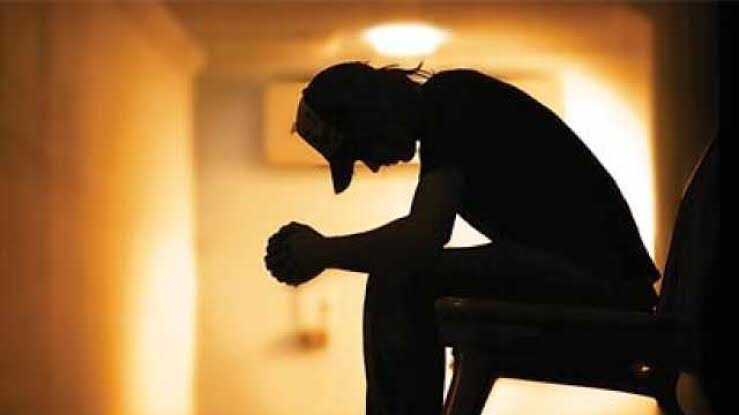
In Pakistan, over 75% of the population, particularly young people, are said to be suffering from stress, anxiety, or depression, according to public health specialists and intellectuals.

According to Prof. Shahzad Ali Khan, vice chancellor of the Health Services Academy (HSA), most Pakistanis are either depressed, stressed out, or anxious, and they are not overly hopeful about the future of their nation.

He was speaking during the Jahan-i-Maseeha Adbi Forum’s 24th Thematic Calendar launch (JMAF). Considering these conditions, Allama Iqbal’s message of “Khudi” serves as the topic of the 2023 calendar.

According to Prof. Khan, the youth have become increasingly gloomy and dejected, and in these conditions, Iqbal’s message of self-worth can revive Pakistan’s national spirit.

Most young people in Pakistan, he continued, view everyone as corrupt and incompetent, despite the fact that similar problems, such as inflation, unemployment, and recession, affect young people everywhere.

Prof. Khan said, adding that things were not as bad as they were being made out to be, “Initially, teachers and academia of our society were targeted and they were defamed, later, character assassination of physicians and healthcare professionals was carried out, and the same treatment was met out to politicians.”

He praised Iqbal’s ideology and added that by instilling in them the values of optimism, passion, and encouragement, he was able to unite young people from a minority population on the Indian subcontinent.

The occasion was planned in association with the pharmaceutical company Pharmevo, which has been spreading Iqbal’s worldview among medical professionals nationwide.

In addition to promoting literary activities like conducting book fairs and mushairas, Syed Jamshaid Ahmed of Pharmevo emphasized the importance of constructing and developing a healthier society in Pakistan.

Famous poet Ajmal Siraj claimed that the life and literary creations of Iqbal were chosen as the theme for the upcoming calendar by an advisory council made up of educators, authors, and researchers.

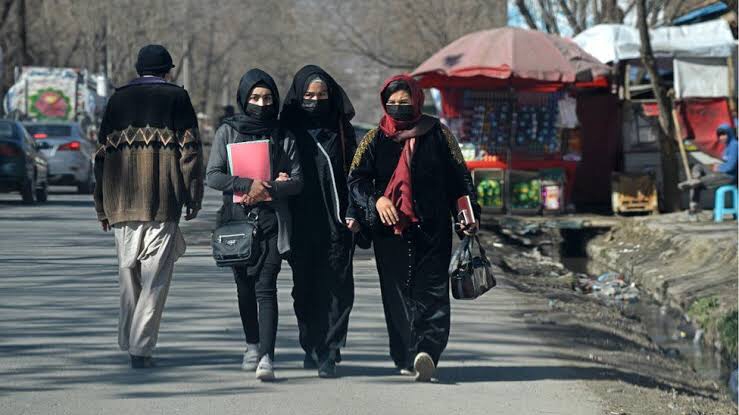
Pakistan has urged Afghan authorities to reconsider their decision to suspend university and higher education for female students in Afghanistan.

“Pakistan is disappointed to learn about the suspension of the university and higher education for female students in Afghanistan,” an official statement from the Foreign Office read, adding that Pakistan’s position on the issue has been “clear and consistent”.

The FO added that “every man and woman has the inherent right to education in accordance with the injunctions of Islam.”

Following a statement by the Taliban-run government that women would be barred from tertiary education, female university students in Afghanistan were turned away from campuses on Wednesday.

Foreign governments and the UN denounced the move to exclude women when it was made public on Tuesday evening in a letter to universities from the higher education ministry.

Shaista, a business studies student at a private institution in Kabul, stated, “We got to campus, the Taliban were at the entrance and informed us ‘you are not permitted to enter the university until further notice’… everyone was crying.

Female students were turned away at the gate, according to a professor at a different Kabul institution who declined to be named, because staff members had no choice but to follow the directive.

The decision was made by the cabinet of the Taliban administration, according to a late Tuesday release.

In recent months, a number of Taliban officials, including the spokesperson for the government and the deputy foreign minister, have advocated for the education of women. Major choices are made by the ultimate spiritual head of the Taliban, who is based in the southern city of Kandahar. The matter has been discussed by the leadership, according to diplomatic and Taliban officials who spoke to Reuters.

“This decision had been anticipated for weeks, prompting some Western officials to start talking about additional sanctions and further economic restrictions,” said Graeme Smith, senior consultant at International Crisis Group.

“But the flood of outrage from the West will strengthen the resolve of the Taliban leadership, which defines itself as a bulwark against the outside world.”

The leadership of the Taliban has stated that while they desire peaceful relations with the world community, outsiders should not meddle in Afghan affairs. Most girls can’t attend classes past the first grade. While claiming to be developing a plan for secondary education for girls, the Taliban government has not provided a timeline. The administration unexpectedly changed its mind after giving out signs that all high schools for girls will begin in March.

Although it resembles real leather, vegan leather is made from synthetic or plant-based components. PVC and polyurethane are frequently used to manufacture vegan leather, especially in the fast fashion industry. Not exactly the most environmentally friendly option, given these materials, are made of plastic and petroleum.

However, other materials, like cork, paper, and even bananas, can also be used to make vegan leather. Yes, you read that right. You can make your handbag using the same elements that go into your morning smoothie.

Depending on how it was produced, vegan leather may or may not be considered “sustainable.” For instance, while not directly harming animals during manufacture, alternatives to leather made of plastic might still take years to decompose, which is bad for the environment.

But is that plastic pollution more harmful than the effects of conventional leather on the environment? Animals are not only killed every year for their skins and hides, but even the tanning procedure (which turns hides into leather) has a bad reputation.

Heavy metals are used in tanning and dyeing, and they can leak into streams and kill marine life. What sustainability considerations are important to you ultimately determines how you should proceed. No green product can ever be flawless. While plastic-based leather doesn’t directly kill animals but may not biodegrade and can emit deadly poisons, real leather directly harms animals and is produced using chemicals. It somewhat produces a “lesser of two evils” situation.

Let’s not overlook the apples and bananas we stated previously, though. A few plant-based substitutes are becoming more and more popular. There is vegan leather manufactured from mushroom caps, for instance. It is even rumored to be softer and more water-resistant than conventional leather because it is tanned with non-toxic substances.

It’s crucial that we as customers learn about the origins and manufacturing processes of the vegan leather products we purchase.

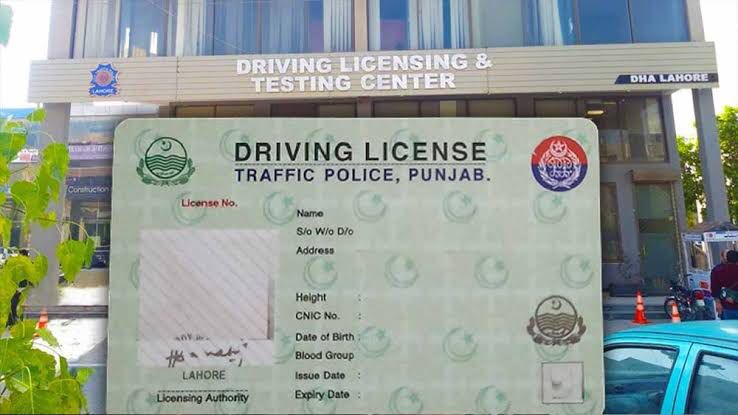
In order to decrease the violation of traffic rules, the Lahore traffic police came up with an objective and decided to introduce action against those who drive without a license.

Asad Malhi, the CTO (Chief Traffic Police Officer), issued a warning to the people of Lahore, informing them that anyone seen driving without a license in the city will face a punishment of Rs 2000.

To help the public obtain their license, he announced that the DHA and Irfa Karim Driving License Centers would be open today until 4 PM.

Further, he stated that Smart Licencing Centre Manwa will remain open 24/7 for the facility of the masses to save themselves from fines.

According to reports, the cabinet committee for traffic in Lahore city approved a rise in the fines for moving violations last year to reduce reckless driving and the likelihood of accidents.

Raja Basharat, the law minister for Punjab, presided over the meeting that approved the revision. As a result, people who are caught speeding, not wearing helmets, or breaking lane regulations would have to pay higher challan fines.

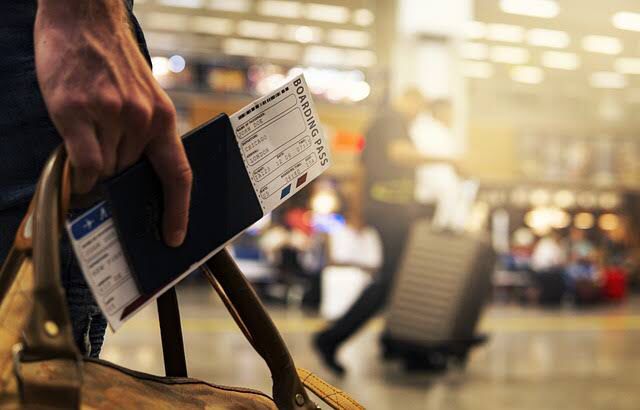
According to a recent survey, a significant portion of the population would relocate to a country with greater possibilities and a better quality of life if given the option.

37% of Pakistanis, according to the Pakistan Institute of Development Economics (PIDE), would travel abroad if they could.

Balochistan has the greatest rate of residents who desire to leave Pakistan among the four provinces, at 42%, followed by Khyber Pakhtunkhwa (KP) and Sindh. Punjab has the lowest rate, despite the fact that 35% of Punjabis want to leave the nation. At 44%, Kashmiris have the highest likelihood of leaving Pakistan, followed by Gilgit-Baltistan. The least number of residents in Islamabad express a wish to move.

According to the study, identity is also influenced by age and gender. Women depart the country less frequently than males do. Between the ages of 15 and 24, 62% of people express a desire to leave the country; however, as people get older, this desire lessens. People with less education are less inclined to leave the country.

PIDE believes it’s difficult to leave one’s home or country, but there must be a valid reason. According to the survey, economic problems are the main culprit.

According to the report, Pakistanis’ desire to emigrate was second only to the want to live with dignity. The poll revealed that Balochistan and Sindh prefer respect to equality.

Balochistan, Kashmir, and Sindh are the regions where people are most ready to emigrate for security. Gender equality was the main reason people left KP.

The Pakistan Bureau of Immigration and Overseas Employment estimates that between 1971 and June 2020, about 11.2 million Pakistanis looked for employment in 52 different nations.

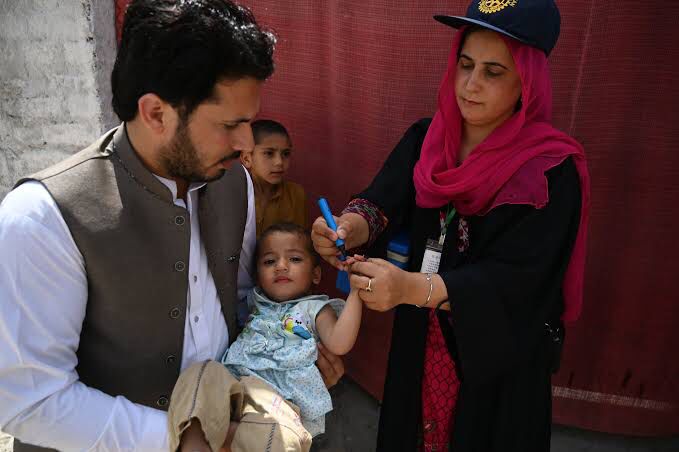
A high-level international polio team concluded on Thursday after visiting Pakistan that there is unprecedented support and commitment to ending polio by 2023 and that if the current pace is maintained, the nation will be able to stop transmission in the upcoming year.

Dr. Chris Elias, Chair of the Polio Oversight Board (POB), Dr. Ahmed Al-Mandhari, Regional Director of WHO, and George Laryea-Adjei, Regional Director of UNICEF, headed the delegation.

The hardest part of eradicating polio is yet to come, but eradication is possible because of the diligent work being done in Pakistan, according to Dr. Elias.

“During my three-day visit, I was once more moved by the government’s and the community’s commitment to eradicating polio forever,” he continued. The next polio campaigns must successfully reach every child, and the regular immunization program must be strengthened.

The highest governing body of the Global Polio Eradication Initiative is the Polio Oversight Board. This is the delegation’s second trip to Pakistan as a group this year. A polio case was discovered in Pakistan after almost 15 months, prompting the previous visit in May. The most recent visit occurred after devastating floods that resulted in the widespread relocation of people and the loss of multiple medical institutions, which raised the danger of polio transmission.

Pakistan is at the “final stretch” of the road to eradication, according to WHO Regional Director Dr. Ahmed Al-Mandhari.

“The nation is in a strong position to completely eradicate poliovirus transmission by 2023 thanks to the accomplishments made this year. Although 2023 will be a year of elections and political transition, maintaining political and administrative commitment will be necessary to ensure that we achieve our goal, he added. In accordance with our regional vision of health for all by all, “everyone has a part to play in ending polio via our collective solidarity and action.”

Director of UNICEF’s South Asia Region George Laryea-Adjei stated that Pakistan’s accomplishment in halting the spread of polio through collaborative efforts by the government, funders, frontline health workers, and partners is genuinely impressive.

We must step up efforts to involve parents and other caregivers in protecting these kids, he added, noting that the recent flooding has increased health concerns for millions of kids, particularly those who reside in areas that have historically had the highest risk of contracting polio. “The eradication of polio is imminent, and we must now make the final push to guarantee that every kid is protected against this crippling condition.”

The delegation met with the Prime Minister, the Federal Health Minister, the Engineer-in-Chief of the Pakistan Army, and the leaders of the provincial governments of Balochistan, Khyber Pakhtunkhwa, and Sindh during the visit, and they reaffirmed their support for helping Pakistan stop the spread of the poliovirus by 2023.

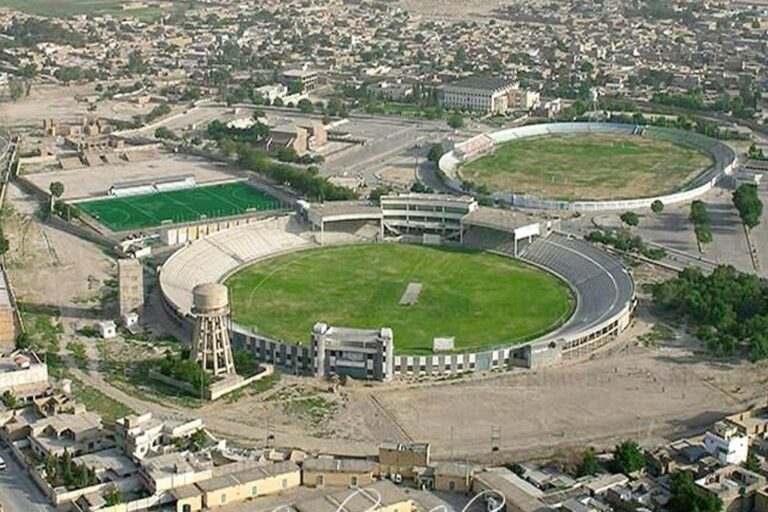
A virus has reportedly afflicted 14 team members, including eight players, ahead of the first Test against Pakistan in Rawalpindi, dealing a severe blow to the English cricket team.

Tomorrow (December 1), England will play the first Test in Pakistan for the first time in 17 years.

Ben Stokes, the captain of England, as well as other squad members and officials, were reportedly impacted by the virus, according to a BBC report.

‘On the eve of the first Test against Pakistan in Rawalpindi, the England squad, including captain Ben Stokes, has been struck by a virus,’ the report added.

The traveling team of players and coaches received a recommendation to relax at the hotel on Wednesday for about 14 people.

Only five people participated in an optional training session, out of a total playing squad of 16.

The only players who showed up for today’s optional training session were Harry Brook, Zak Crawley, Keaton Jennings, Ollie Pope, and Joe Root, according to a brief statement from the England and Wales Cricket Board (ECB).

Liam Livingstone, an all-rounder for Lancashire, will play in his maiden Test match, while Ben Duckett, a batsman for Nottinghamshire, will make his first appearance in the team since 2016 and will open the batting alongside Zak Crawley.

Following the first match in Rawalpindi, the second Test will be played in Multan beginning on Friday, December 9, and the last Test of the trip will begin on Saturday, December 17 at the National Stadium in Karachi.

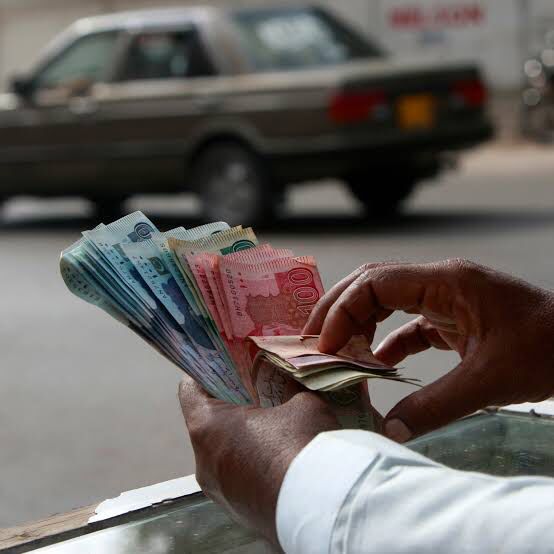
Seven nations, including Egypt, Romania, Sri Lanka, Turkey, the Czech Republic, Pakistan, and Hungary, are currently in high danger of experiencing currency crises, according to Nomura.

The Japanese bank reported that 22 of the 32 nations covered by its internal “Damocles” warning system had witnessed an increase in risk since its last update in May, with the Czech Republic and Brazil experiencing the biggest rises.

It indicated that since May, the model’s overall score sum, which was originally 1,744, had climbed significantly to 2,234 from 1,744.

The Nomura economists referred to it as “an ominous warning sign of the mounting broad-based risk in EM currencies” and noted that it was “the highest total score since July 1999 and not far off the top of 2,692 during the height of the Asian crisis.”

The model computes an overall score based on eight important indices of a country’s foreign exchange reserves, exchange rate, financial soundness, and interest rates.

Nomura calculates that a score above 100 suggests a 64% likelihood of a currency crisis in the next 12 months based on evidence from 61 prior EM currency crises since 1996.

Egypt currently has the lowest score at 165 after devaluing its currency significantly twice already this year and applying for an IMF program.

Romania, which has been using interventions to support its currency, is listed next on page 145. Both Turkey and Sri Lanka, which frequently have currency crises due to default, have ratings of 138, while the Czech Republic, Pakistan, and Hungary receive scores of 126, 120, and 100, respectively.

A Memorandum of understanding covering the development of Chakwal’s tourist destinations and historical sites has been signed between the Punjab Tourism Department and the University of Chakwal.

The University of Chakwal signed the Memorandum of Understanding. Both parties have committed to collaborating to safeguard the district’s historic buildings and to make them more easily accessible to both domestic and foreign visitors.

Both parties will cooperate to organize a tourism festival in Chakwal in December that will highlight the region’s history and natural beauty to draw more visitors. Punjab is a province with a diverse culture and has a lot of potential for religious and historical tourism. To emphasize the significance of tourism, the University of Chakwal’s Department of Tourism will host conferences, workshops, and seminars.

To do this, the University of Chakwal will also launch a unique program for research and development.

Field visits will be made by both sides, and a report will be produced. The TDCP and other divisions of the tourism department will support academics and researchers. For the duties, both parties will designate emphasis points.

To succeed in a job interview, you must be able to think quickly under pressure. While some people thrive on adrenaline, it makes sense that some people find the nerves difficult. While working in the fashion industry can be exhilarating, it can also be challenging to find employment. Because it’s a cutthroat field, there will probably be a long line of applicants for any given position. As a result, it’s imperative that you succeed in getting your ideal fashion career. You should put work into developing a strong CV, an appealing portfolio, and a commitment to meticulous interview preparation.

Here are some tips for a successful fashion job interview:

Be confident and make eye contact

First impressions matter a lot. With a confident stride, a warm smile, and a good posture, enter the interview space. Even though you might be feeling anxious, try to maintain your composure and project confidence. In an interview, eye contact is extremely crucial. When speaking with your interviewer, try to keep your eyes fixed on them. People who avoid making eye contact may come out as distant and uninterested. 

Sell yourself

Keep in mind that there are probably other applicants vying for the same position, so you must make yourself stand out. Sell yourself by outlining your qualifications for the position and your enthusiasm for a career in fashion. But be careful not to overdo it or you can come across as haughty.

Be descriptive, be detailed

Detail is what interviewers want to hear. Vague responses simply won’t do. Answer questions in a descriptive manner and use personal anecdotes to support your points. Discuss your team, your goals, your accomplishments, and your abilities. Sharing specifics demonstrates your abilities and that you are knowledgeable, even if your interviewer doesn’t ask for it.

Ask memorable questions

A successful interview involves both you and the potential employer asking questions. Ask pertinent questions to your interviewer whenever possible, and don’t forget to save one at the conclusion.

Know what the next steps are, and say thank you

Find out what the next steps in the procedure are after the interview. You have the right to inquire as to whether they have other applicants waiting to be interviewed and when you can anticipate learning whether you were successful or not. Always, always thank the interviewer for their time as you wrap up the conversation. Politeness is important.

Pin It