Ali Shah is a UK-based visual artist working with conceptual digital art and symbolic visual narratives. As an emerging artist, his practice explores the relationship between emotion, psychology, and art history, translating classical visual language into contemporary digital form.
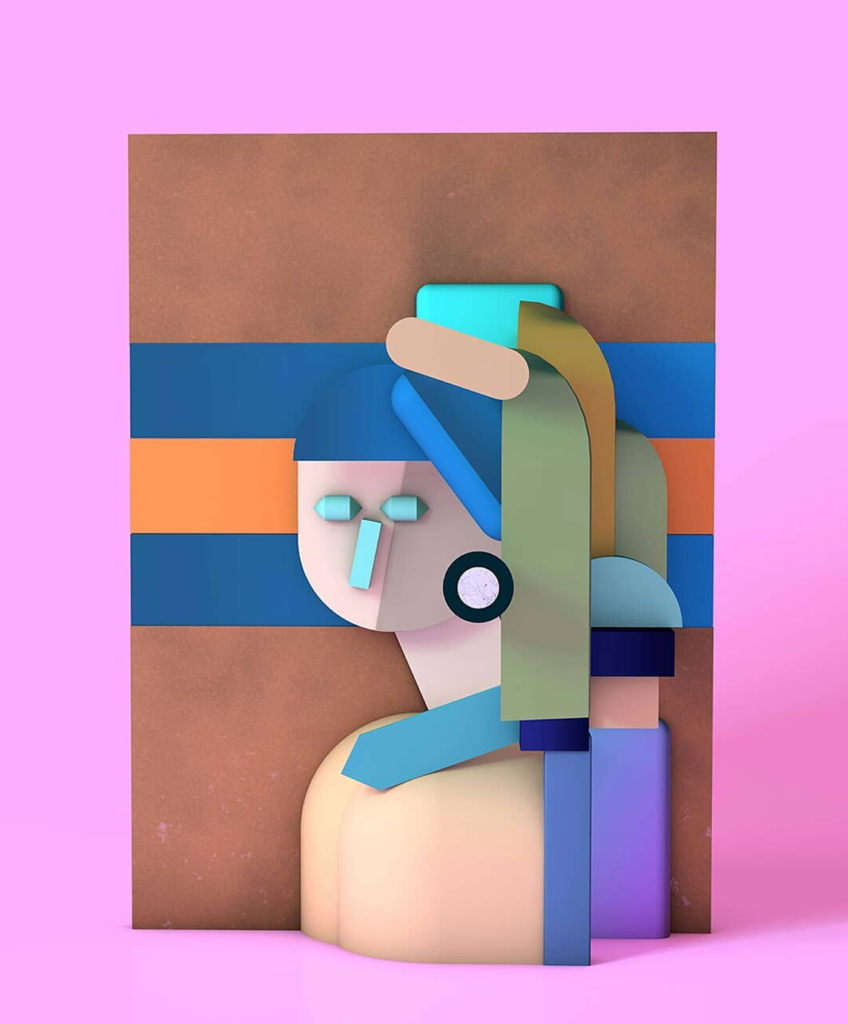
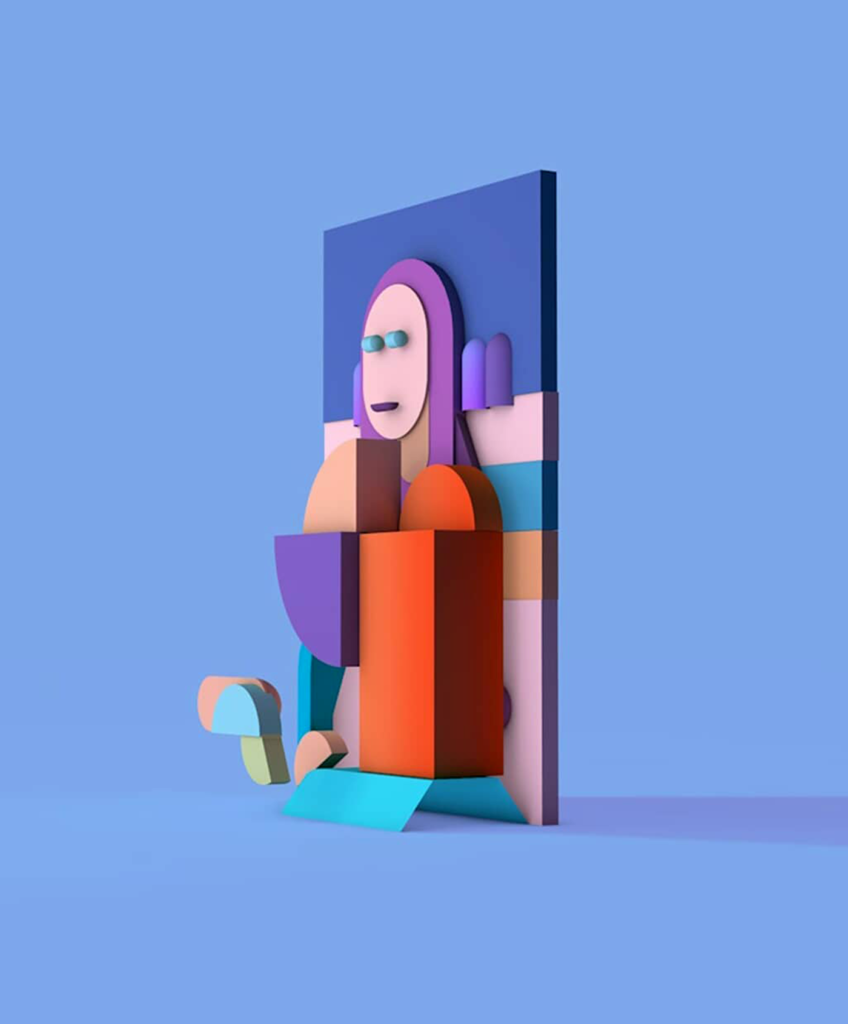
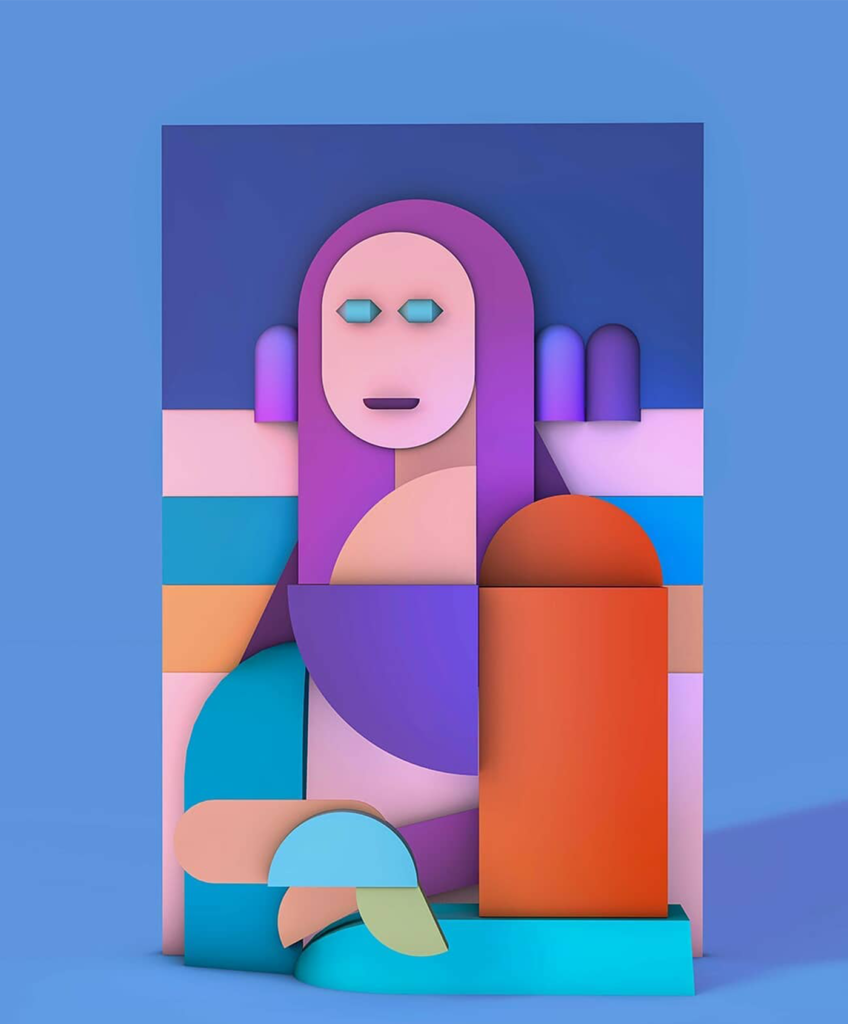
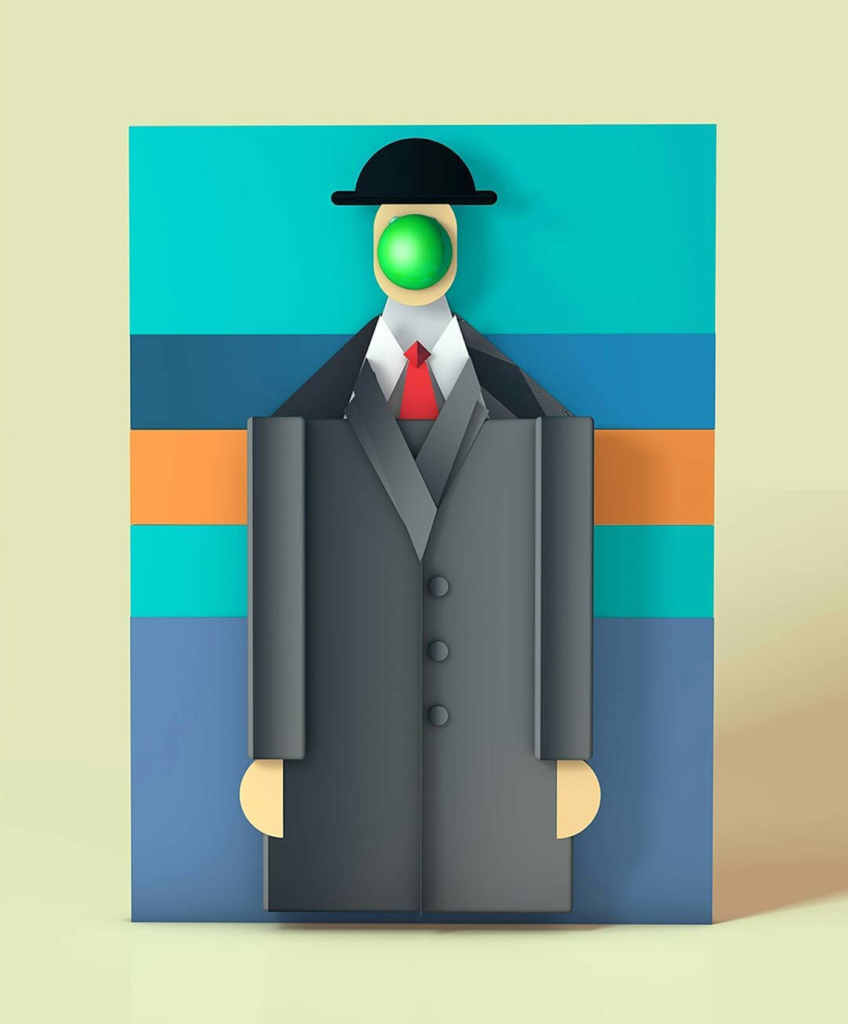
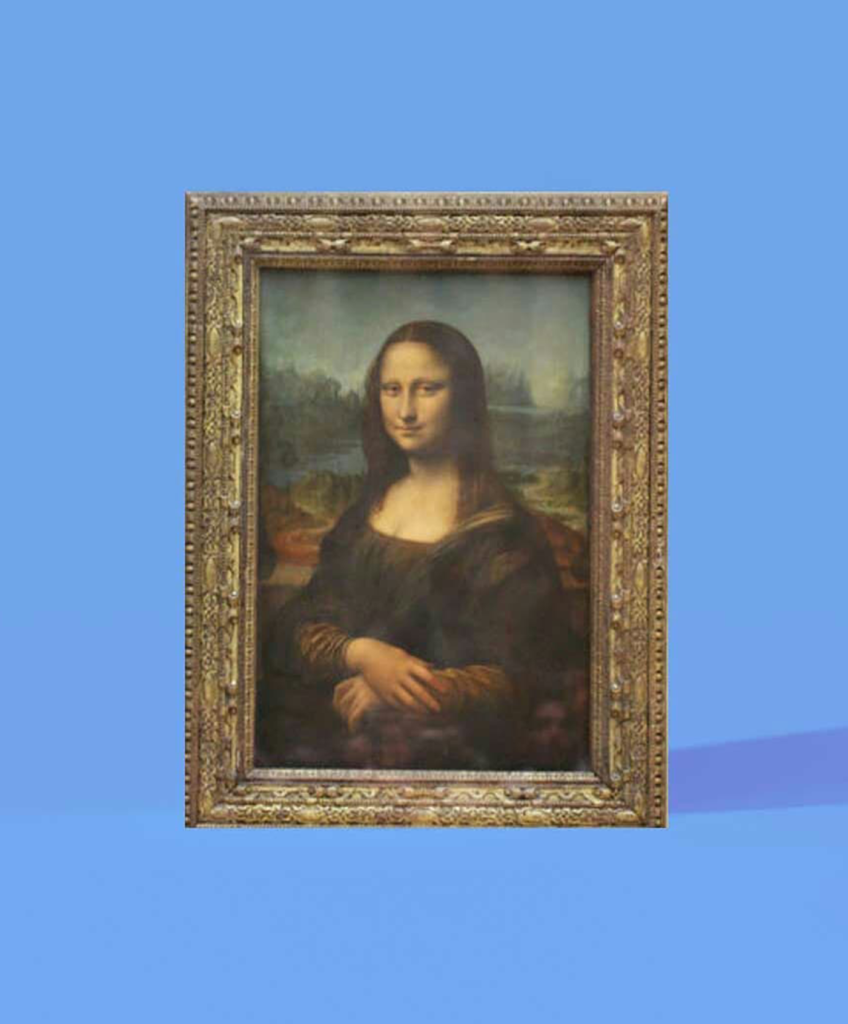
In his ongoing project Masters Reborn, Ali revisits master painters from different art historical eras, reinterpreting their emotional depth and symbolic structure through a modern digital lens. The series reflects a dialogue between traditional artistic principles and contemporary visual culture, questioning how classical aesthetics can continue to resonate in an age shaped by technology.
We spoke with Ali about Masters Reborn, his engagement with art history, and the evolving direction of his artistic practice.
Project Overview: Masters Reborn
Masters Reborn is a self-initiated conceptual digital art series that explores how classical painting can be reinterpreted through contemporary visual language. Drawing inspiration from master painters across different periods, the project reflects on composition, symbolism, and emotional expression as timeless artistic tools.
Rather than replicating historical artworks, the series functions as a visual dialogue with art history. Each piece responds to the emotional atmosphere of classical art while translating its principles into a modern digital form. The work balances historical reference with abstraction, allowing tradition and innovation to coexist.
Developed as a non-commercial artistic practice, Masters Reborn reflects a slow, reflective creative process rooted in research, observation, and emotional interpretation.
Click here for complete projecthttps://www.behance.net/gallery/76915549/Masters-Reborn-A-3D-Interpretation
Paperazzi:
Your project Masters Reborn engages deeply with art history. What first inspired you to reinterpret classical painting through digital media?
Ali:
My interest in classical painting comes from its emotional power. Master painters used composition, light, and symbolism to communicate complex human experiences. Masters Reborn began as an exploration of whether those emotional principles could still exist within a contemporary digital context.
Paperazzi:
The series feels more like a dialogue with art history than a recreation. How do you approach that balance?
Ali:
I’m not interested in copying historical artworks. I treat art history as a living conversation. I study the emotional language behind classical works and reinterpret those ideas through my own visual perspective. The goal is to respond rather than reproduce.
Paperazzi:
Although the work is created digitally, it feels deeply human and introspective. How do you maintain that quality?
Ali:
Digital tools are just a medium. The emotional intent always comes first. I begin with a feeling or concept and allow the digital process to serve that idea. I focus more on emotional resonance than technical perfection.
Paperazzi:
You have experience in both commercial design and independent artistic practice. How do these two worlds influence your work?
Ali:
Commercial work taught me structure and clarity, but my personal practice allows freedom and reflection. Masters Reborn exists entirely in that personal space. It’s where I can explore ideas without constraints and engage deeply with art history and visual culture.
Paperazzi:
What do you hope audiences take away from Masters Reborn?
Ali:
I hope the work encourages people to see art history as something alive and adaptable. I want it to open dialogue around how classical visual language can remain relevant within contemporary digital culture.
Paperazzi:
You are currently based in the UK. How has this environment influenced your artistic development?
Ali:
The UK has a strong tradition of supporting conceptual and interdisciplinary art. Being here has encouraged me to think more critically about my work and how it can contribute to wider cultural conversations. I see this environment as essential to the next stage of my artistic growth.
Paperazzi:
Looking ahead, how do you see your practice developing?
Ali:
I want to continue developing my practice through exhibitions, editorial features, and collaborations that engage with contemporary visual arts discourse. My focus is on building a sustainable artistic practice that bridges historical influence with modern visual language.

Comments are closed.